
What is the water for?
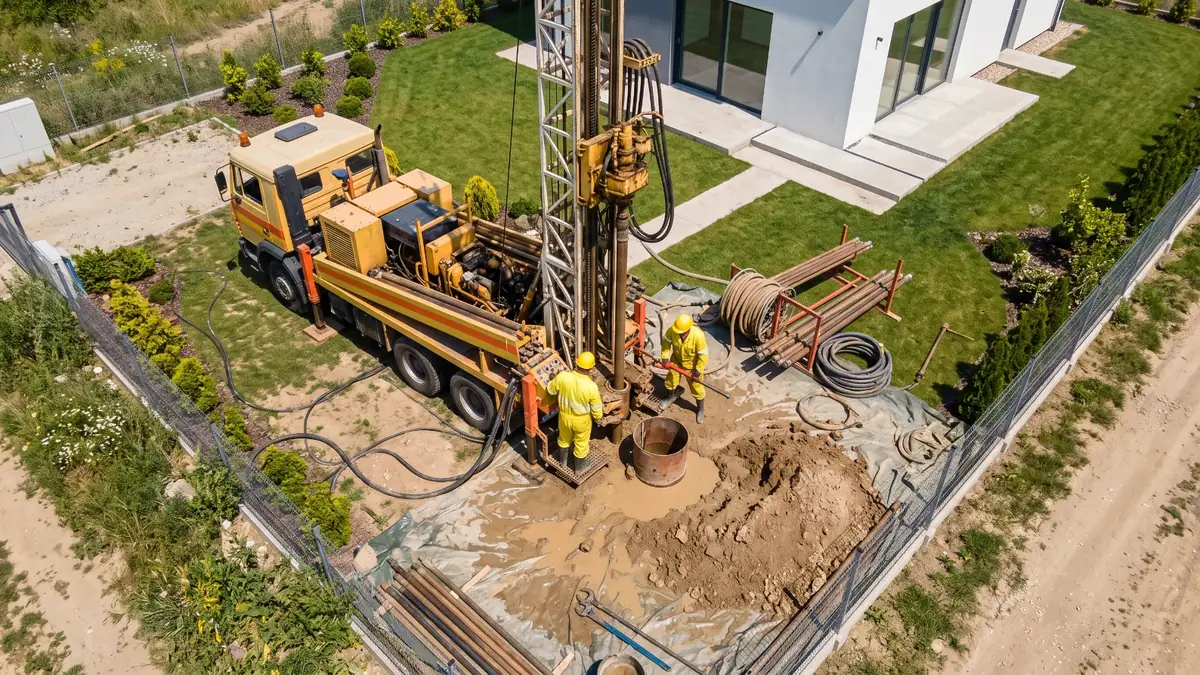
Farm Borehole Drilling South Africa is a different job to a garden hole: bigger diameter, higher yield, test pumping that stands up to a water use application, and pumping kit that has to run all day. Say the hectares or the herd and compare contractors who drill agricultural holes rather than domestic ones.
- Know what an agricultural hole should cost, so you never pay too much.
- Say the hectares or the herd and where the farm is, and quotes come back fast.
- From LEADERR APPROVED providers, vetted and backed by many verified 5-star reviews. Peace of mind from contractors who drill for irrigation rather than for gardens.
Say the hectares or the herd and get farm drilling quotes.
Get the Best QuoteFarm Borehole Drilling Prices
Ballpark figures so you can check a quotation.
| Item | Ballpark price |
|---|---|
| Drilling, per metre, agricultural hole | R550 - R1,200 |
| Casing, per metre supplied and installed | R280 - R700 |
| Mobilisation to a farm | R6,500 - R25,000 |
| Farm siting survey, multiple targets | R9,500 - R35,000 |
| Constant discharge test, 24 hours | R7,500 - R18,000 |
| Constant discharge test, 72 hours | R18,000 - R45,000 |
| Typical 80m agricultural hole, drilled and cased | R70,000 - R160,000 |
| Irrigation pump and equipping | R45,000 - R220,000 |
| Water use authorisation support and reporting | R15,000 - R65,000 |
Prices JUST UPDATED. Ballpark figures, rounded, excluding VAT. They reflect typical South African borehole drilling, pump and water treatment rates. They are not our prices or quotations, and no provider is bound by them. Drilling is quoted PER METRE and the depth is not known until the hole is down, so confirm what each quotation includes, such as mobilisation, casing, development and what you pay if no water is found.
What Makes a Farm Hole Different
- Yield is the whole point. A garden hole at 500 litres an hour is useless to an irrigator.
- Bigger diameter. To take a bigger pump, and to allow a proper gravel pack where the ground calls for it.
- Proper test pumping. Twenty four to seventy two hours, because the design and the licence both depend on it.
- Water use authorisation. Irrigation beyond reasonable domestic use needs it, and the test data supports the application.
- Distance. Mobilisation is a large fixed cost, so several holes on one visit is the sensible way to buy.
- Equipment that works hard. Pumps running eight hours a day fail differently to ones running twenty minutes.
Planning the Water, Not Just the Hole
- Work out the demand. Hectares, crop and system, or head of stock and troughs, in cubic metres a day.
- Site with instruments. A survey across a farm has real choice to work with and earns its fee here.
- Drill, then test, then design. In that order. A pump chosen before the test is a pump chosen blind.
- Storage. A reservoir or dam lets a modest hole irrigate, which is often cheaper than a second hole.
- Reticulation. Pipelines, troughs and valves across a farm are frequently the larger share of the budget.
- Power. Three phase, a generator or solar. Solar suits a pump that runs through the day.
Several Holes, One Mobilisation
- Price the move once. Getting a rig to the farm is the same cost whether it drills one hole or four.
- Survey the whole farm first. So targets are ranked before the rig arrives.
- Drill the best target first. Then decide on the rest with real information.
- Keep the logs. Every hole drilled on the farm is data for the next one.
- Standardise the equipment. One pump model across the farm means spares on the shelf and simpler repairs.
Get a price for your own farm rather than a range.
Get the Best QuoteWhat Affects the Price
- Depth and diameter. Agricultural holes are deeper and wider, and both are per metre.
- How far the farm is. Mobilisation on a remote farm can rival the drilling on a shallow hole.
- How many holes. The per hole cost falls sharply after the first on one mobilisation.
- The test regime. A seventy two hour test with a geohydrologist report is a significant line.
- The pump and power. An irrigation pump, three phase supply or a solar array.
- Reticulation. Pipelines, troughs, reservoirs and valves across the property.
- Licensing. Applications, reports and monitoring, where abstraction needs authorisation.
What to Include in Your Request
- The farm location. Farm name or portion, and the nearest town.
- What the water is for. Hectares and crop, head of stock, or a homestead.
- How much you need. In cubic metres a day if you can, or the irrigated area.
- Existing holes. Depths, yields, water levels and what they feed.
- Power available. Single phase, three phase, generator or none.
- Whether you have authorisation. An existing water use entitlement or registration.
- How many holes you want priced. And whether they can be drilled on one visit.
Before You Appoint a Contractor
- Ask for agricultural references. Drilling for irrigation is not the same trade as drilling for gardens.
- Price several holes together. And ask what the second and third cost on the same mobilisation.
- Insist on a proper test. Twenty four hours minimum, and seventy two if a licence depends on it.
- Sort out the licensing early. Abstraction without authorisation is a risk to the whole operation.
- Budget the reticulation. Pipelines and troughs are often the bigger half and get left out of the plan.
- Ask about the dry hole term. On a farm quote with a large mobilisation, this matters even more.
Farm Borehole Drilling FAQs
How much does a farm borehole cost?
Roughly R550 to R1,200 a metre for drilling and R280 to R700 a metre for casing, plus a mobilisation charge of R6,500 to R25,000 depending on distance. An eighty metre agricultural hole drilled and cased typically runs R70,000 to R160,000, and equipping it for irrigation can add R45,000 to R220,000.
Do I need a water use licence to irrigate from a borehole?
Abstraction beyond reasonable domestic use generally requires authorisation from the Department of Water and Sanitation, whether through a general authorisation or a full water use licence depending on the volume and the catchment. The pump test data and a geohydrological assessment are normally part of the application, so plan the test with the application in mind.
Is it cheaper to drill several holes at once?
Considerably. Mobilisation is the same cost whether the rig drills one hole or four, and on a remote farm that is a large fixed charge. Surveying the whole farm first, ranking the targets and then drilling them on one visit is the usual way to get the best price per hole.
What yield do I need for irrigation?
It comes from the area, the crop and the system, and it is worked out in cubic metres a day rather than litres an hour. The useful question is whether the hole plus storage can meet peak demand, because a reservoir lets a modest hole irrigate where a direct feed would not. That calculation is worth doing before the pump is chosen.
Can solar run an irrigation pump?
Yes, and it suits irrigation well, because the demand is through the day when the sun is up and a reservoir covers the rest. The array for a large irrigation pump is a significant capital cost, but the running cost is nothing, so the payback on a pump working eight hours a day is usually much faster than on a domestic one.
How do I know where to drill on a large farm?
A geophysical survey across the farm, with the existing borehole records as a desk study first. On a large property there is real choice about where to put a hole, which is where a survey earns its fee most clearly. Ask for the targets ranked, so the rig drills the best one first.
Agricultural work is some of the biggest quoted through Borehole Drillers South Africa and it is priced per metre like any other hole.
Related Services
Get the Best Quote, Fast
Client Reviews
Powered by leaderr